

Table of Contents
Fiber-to-the-Home (FTTH) technology is rapidly becoming the standard for high-speed internet connections in homes and businesses. At the heart of this technology lies the FTTH connector, a small yet crucial component that ensures seamless transmission of optical signals from the fiber network to the end-user device. Proper installation of FTTH connectors is essential for maintaining signal integrity, minimizing data loss, and ensuring long-term network reliability. This article outlines the best practices for installing FTTH connectors effectively, helping technicians and network installers achieve optimal performance.
Understanding Different Types of FTTH Connectors
Before installation, it is important to understand the types of FTTH connectors available. Common types include SC, LC, and MPO connectors, each designed for specific applications.
- SC Connectors: Simple and widely used in residential deployments due to their durability and ease of use.
- LC Connectors: Smaller in size, suitable for high-density environments such as data centers or multi-dwelling units.
- MPO Connectors: Multi-fiber connectors ideal for large-scale networks requiring high bandwidth.
Selecting the correct connector type is the first step toward a successful FTTH installation, as using the wrong type can lead to signal degradation and network inefficiencies.
Preparing the Fiber for Installation
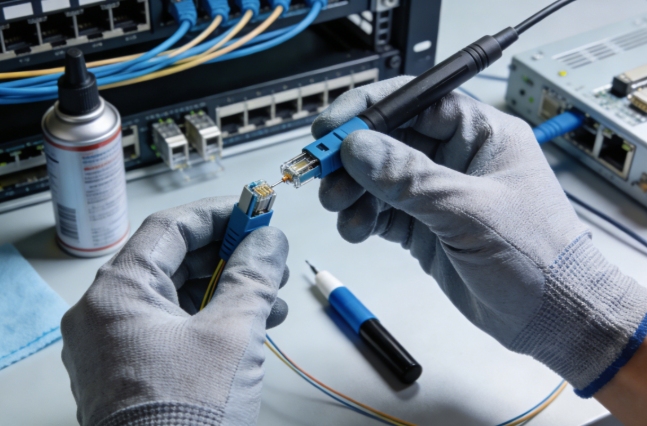
Proper preparation of the fiber end is the foundation of a stable and high-quality FTTH connection. Even minor mistakes at this stage can lead to signal loss, reflection issues, or premature connector failure. To ensure a reliable installation, technicians should follow these detailed steps:
- Strip the Fiber Carefully: Using a precision fiber stripper, remove the outer jacket and buffer layers. Take care not to nick or scratch the delicate glass core, as even tiny damage can weaken signal transmission.
- Clean the Fiber Thoroughly: Contamination is a common cause of poor connections. Clean the exposed fiber with high-purity alcohol and lint-free wipes, gently removing dust, grease, or fingerprints. Avoid touching the fiber tip with your bare hands.
- Inspect the Fiber Endface: Use a high-magnification fiber microscope to examine the fiber tip. Ensure it is perfectly smooth, with no scratches, chips, or debris. A flawless endface guarantees minimal insertion loss and optimal signal performance.
By carefully executing each of these steps, installers can prevent common issues like high attenuation, intermittent connectivity, and increased maintenance costs. Proper fiber preparation sets the stage for a successful FTTH connector installation and long-lasting network reliability.
Step-by-Step Connector Installation
Installing an FTTH connector requires precision and adherence to manufacturer guidelines. Key steps include:
- Align the Fiber: Insert the cleaned fiber into the connector, ensuring perfect alignment with the ferrule.
- Secure the Connection: Use a crimping tool or mechanical splice kit to lock the fiber in place.
- Polish or Pre-Polished Endfaces: Depending on the connector type, polishing may be required to achieve minimal insertion loss.
Following these steps systematically reduces the risk of connector failure and ensures consistent network performance.
Testing and Verifying the Connection
After installation, testing is crucial to confirm that the FTTH connector is functioning correctly. Recommended tests include:
- Insertion Loss Measurement: Ensures that the optical signal passes through the connector with minimal loss.
- Return Loss Testing: Confirms that signal reflections are within acceptable limits.
- Visual Inspection: Recheck for dust, scratches, or misalignment that could affect performance.
Regular testing not only verifies proper installation but also helps detect potential issues before they impact users.
Maintaining FTTH Connectors for Longevity
Even after proper installation, maintaining FTTH connectors is essential for long-term network reliability. Key maintenance practices include:
- Routine Cleaning: Periodically clean connector endfaces to prevent dust buildup.
- Proper Handling: Avoid bending or pulling fibers excessively, as this can damage the connector or fiber.
- Replacement When Necessary: Replace worn or damaged connectors promptly to prevent signal degradation.
Consistent maintenance reduces downtime and prolongs the lifespan of both the connectors and the fiber network.
Conclusion
Installing FTTH connectors correctly is critical to achieving high-speed, reliable fiber-optic connections. By understanding connector types, preparing fibers properly, following precise installation steps, testing the connection, and maintaining the connectors, technicians can ensure optimal performance and minimal network issues. Adhering to these best practices not only improves signal quality but also enhances the overall user experience, making FTTH deployments efficient and dependable.
0