


Table of Contents
Filling equipment is a vital component in modern production lines, ensuring products are accurately measured, packaged, and ready for distribution. However, improper use or neglect of best practices can lead to inefficiencies, product loss, and even safety hazards. Understanding the common mistakes when using filling equipment can help businesses optimize performance, reduce downtime, and maintain consistent product quality.
1. Neglecting Regular Maintenance and Cleaning
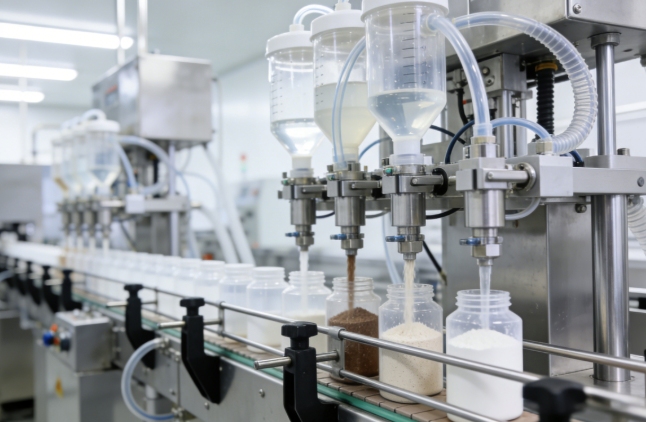
Neglecting routine maintenance and cleaning is one of the most common mistakes in using filling equipment. Machines that handle liquids, powders, or viscous products often accumulate residue in nozzles, valves, and hoppers. Over time, this build-up can lead to contamination, clogging, or uneven filling, which directly affects product quality.
- Impact: Residue can cause inaccurate fill volumes, product waste, and potential contamination issues. It may also shorten the equipment’s lifespan if mechanical parts are not inspected regularly.
- Solution: Establish a strict cleaning schedule. Daily cleaning should focus on nozzles, valves, and hoppers, while periodic inspections check seals, gaskets, and moving parts. Using cleaning agents appropriate for the product type ensures hygiene and prevents chemical damage, keeping the filling equipment in optimal condition.
2. Improper Calibration and Settings
Failing to calibrate filling equipment correctly is a major source of errors in production. Each product—whether liquid, paste, or powder—requires specific machine settings for volume, speed, and pressure. Ignoring these requirements can lead to inconsistent fills and regulatory compliance issues.
- Impact: Improper calibration results in underfilling or overfilling, reducing customer satisfaction and potentially violating industry standards. Production waste increases, and repeated errors can affect overall efficiency.
- Solution: Regularly check and calibrate equipment using precision measurement tools. Maintain records of calibration settings for each product batch to ensure consistency. Operators should receive hands-on training to understand how viscosity, container size, and flow properties influence machine settings.
3. Using the Wrong Equipment for the Product Type
Using the wrong type of filling equipment is another frequent mistake. Not all products behave the same way, and applying a “one-size-fits-all” machine can create significant problems. For example, liquid fillers struggle with thick pastes, and powder fillers cannot handle granular or sticky powders effectively.
- Impact: Misusing equipment can cause blockages, inconsistent fills, machine wear, or even damage to sensitive components. Production downtime increases, and product quality suffers.
- Solution: Carefully evaluate product characteristics such as viscosity, particle size, and flow behavior before selecting equipment. Specialized machines like piston fillers for thick liquids, auger fillers for powders, or gravity fillers for thin liquids ensure accurate and efficient filling.
4. Ignoring Operator Training and Safety Protocols
Even advanced filling equipment cannot perform well without properly trained operators. Misunderstanding machine functions, safety switches, or troubleshooting steps can lead to operational errors and workplace hazards.
- Impact: Improper operation may damage the equipment, compromise product quality, and increase the risk of injuries. Minor mistakes can escalate into costly downtime and repairs.
- Solution: Provide comprehensive operator training covering machine operation, routine inspections, emergency shutdown procedures, and safe handling techniques. Regular refresher courses and hands-on practice help reinforce safe and efficient use of the equipment.
5. Overlooking Environmental and Storage Conditions
Environmental factors are often underestimated in filling equipment operations. Temperature, humidity, and dust can significantly affect both the machine and the product. For instance, high temperatures can alter liquid viscosity, excessive humidity can clump powders, and dust may interfere with sensors.
- Impact: Poor environmental control can result in inconsistent filling, wasted materials, and increased maintenance issues. Sensitive products may degrade faster, affecting shelf life and customer satisfaction.
- Solution: Maintain stable production environments. Use climate-controlled rooms for temperature-sensitive products, implement dust control measures, and monitor storage conditions for raw materials and finished goods. Proper environmental management enhances both product quality and equipment performance.
Conclusion
Avoiding these common mistakes is crucial for maximizing the efficiency and lifespan of filling equipment. Proper maintenance, accurate calibration, choosing the right machine, thorough operator training, and controlling environmental factors can significantly reduce downtime, waste, and safety risks. By prioritizing these best practices, manufacturers can ensure smooth production, consistent product quality, and a higher return on investment in their filling equipment.
0