

Table of Contents
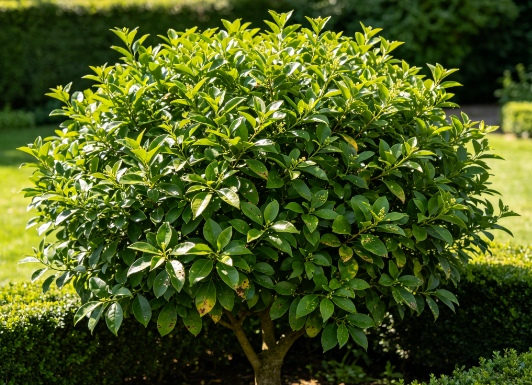
The ligustrum tree is widely used in landscaping due to its fast growth, dense foliage, and ability to adapt to different environments. One of the key reasons it is favored by gardeners and landscape designers is its relatively strong resistance to pests and diseases compared to many other ornamental plants. However, like all living plants, it is not completely immune to biological threats. Its health and resilience depend on environmental conditions, maintenance practices, and early detection of potential problems. Understanding how resistant the ligustrum tree is to pests and diseases helps gardeners maintain healthier and longer-lasting landscapes.
Natural Resistance Characteristics of the Ligustrum Tree
The ligustrum tree has several natural traits that contribute to its ability to resist common garden pests and diseases.
- Thick and leathery leaves
The leaves of the ligustrum tree are relatively tough compared to those of many ornamental shrubs. This physical structure makes it harder for some insects to feed or lay eggs, reducing the likelihood of severe infestations. - Fast regeneration ability
Even if it sustains some form of damage, this plant can rapidly sprout new shoots and leaves. This rapid recovery helps minimize long-term impact from minor pest attacks or localized disease spots. - Dense branching structure
While dense foliage can sometimes trap moisture, it also creates a microenvironment that is less favorable for certain pests that prefer open and dry exposure. - General environmental adaptability
Because the ligustrum tree can survive in a wide range of climates and soil conditions, it is less stressed in most environments, and healthy plants are generally more resistant to disease outbreaks.
Common Pests That May Affect Ligustrum Trees
Although the ligustrum tree is fairly resistant, it can still be affected by certain pests, especially under poor growing conditions.
- Aphids feeding on young shoots
Aphids are among the most common pests. They tend to cluster on tender new growth and suck plant sap, which may cause leaf curling and reduced vigor if not controlled early. - Scale insects attach to stems and leaves
These pests form small, hard shells on branches and leaves. They weaken the plant over time by extracting nutrients, which may lead to yellowing foliage. - Spider mites in dry conditions
In hot and dry environments, spider mites can become a problem. They cause fine speckling on leaves and may lead to premature leaf drop if populations grow unchecked. - Caterpillars feeding on foliage
Occasionally, caterpillars may feed on the leaves, leaving behind conspicuous holes that diminish the plant’s ornamental value—a concern that is particularly significant for ornamental hedges.
Diseases That Can Impact Ligustrum Tree Health
Although privet trees are generally quite cold-hardy, they may still contract certain diseases in wet environments or under improper care.
- Fungal leaf spot infections
They manifest as dark or brown spots on the leaves, typically caused by excessive humidity or poor air circulation. Severe cases may lead to early leaf drop. - Root rot caused by overwatering
Poor drainage or excessive irrigation can cause root systems to decay. This is one of the most serious threats because it affects the plant’s ability to absorb nutrients and water. - Powdery mildew in humid climates
This fungal disease creates a white powder-like coating on leaves, usually occurring in areas with high humidity and limited airflow. - Branch dieback under stress conditions
Environmental stress, such as drought, nutrient deficiency, or physical damage, can cause parts of the plant to die back gradually.
Environmental and Maintenance Factors Affecting Resistance
The health and pest resistance of a ligustrum tree are strongly influenced by how it is grown and maintained.
- Proper sunlight exposure
Plants grown in adequate sunlight are generally stronger and less susceptible to disease. Poor light conditions weaken immunity and slow growth. - Balanced watering practices
Overwatering increases the risk of fungal diseases, while underwatering can stress the plant and make it more vulnerable to pests. - Regular pruning for airflow
Trimming dense branches improves air circulation, reducing moisture buildup that encourages fungal growth and insect infestation. - Soil health and fertilization
Nutrient-rich, well-drained soil helps the plant maintain strong natural defenses against pests and diseases.
Preventive Care Strategies for Healthy Growth
Preventing pest and disease problems is more effective than treating them after they occur. Proper care significantly improves the resilience of the ligustrum tree.
- Routine inspection of leaves and branches
Regularly checking for early signs of pests or discoloration allows quick intervention before problems spread. - Seasonal pruning and cleaning
Removing dead or infected branches reduces sources of disease and helps maintain plant vigor. - Use of natural pest control methods
Introducing beneficial insects or using mild organic treatments can help manage pest populations without harming the environment. - Avoiding overcrowded planting
Maintaining appropriate spacing between plants helps ensure air circulation and reduce moisture accumulation, thereby lowering the risk of disease.
Conclusion
The ligustrum tree is generally considered a hardy and relatively pest- and disease-resistant plant, making it a popular choice for hedges and ornamental landscaping. Its lush foliage, rapid growth, and exceptional adaptability endow it with an inherently tenacious vitality. However, it is not completely immune to issues such as aphids, fungal infections, or root rot, especially when environmental conditions are poor or maintenance is neglected. With proper care—including balanced watering, regular pruning, and good soil management—the ligustrum tree can remain healthy, attractive, and highly resistant to the most common pests and diseases in both residential and commercial landscapes.
0