



Table of Contents
Soy sauce paste is a thick, flavorful condiment that combines the richness of soy sauce with a paste-like consistency. It’s widely used in various cuisines to enhance dishes with its deep umami flavor. The process of making soy sauce paste is relatively simple, but it requires precision and attention to detail. In this article, we will guide you step-by-step on how to make soy sauce paste, the ingredients needed, and the process involved.
Key Ingredients for Soy Sauce Paste
Making soy sauce paste requires only a few key ingredients, but the quality of these ingredients will impact the final product. The main ingredients include:
- Soy Sauce: The base of any soy sauce paste, offering the essential umami flavor. Depending on the region, you can use dark soy sauce or light soy sauce.
- Wheat Flour or Cornstarch: These thickeners are used to give the paste its consistency. Wheat flour is often preferred in traditional recipes, while cornstarch can provide a smoother texture.
- Sugar: A small amount of sugar helps to balance the saltiness of the soy sauce and gives the paste a slight sweetness.
- Water: Water is essential for dissolving the ingredients and controlling the paste’s thickness.
Once you have the ingredients, the next step is combining them in the right proportions.
The Step-by-Step Process of Making Soy Sauce Paste
1. Prepare the Ingredients
To make soy sauce paste, start by gathering all the ingredients. For every cup of soy sauce, you will need about 2 tablespoons of wheat flour or cornstarch, 1 tablespoon of sugar, and 1/4 cup of water. The ratio of soy sauce to thickener is key to achieving the right paste-like texture.
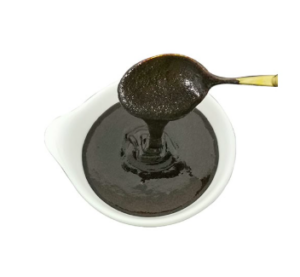 2. Mix and Heat
In a saucepan, combine the soy sauce and water, then bring the mixture to a gentle simmer over medium heat. Gradually whisk in the wheat flour or cornstarch, taking care to prevent any lumps from forming. Stir the mixture continuously to prevent burning, and allow it to cook for about 10–15 minutes until it begins to thicken. The soy sauce paste should coat the back of a spoon and hold its shape.
3. Add Sugar and Adjust Consistency
Once the paste has thickened, add sugar to taste. Stir thoroughly and let it simmer for an additional 2–3 minutes. If the paste becomes too thick, simply add a bit more water to reach your desired consistency. The key is to maintain a smooth, spreadable texture that will enhance the dishes it’s used in.
4. Cool and Store
Once the soy sauce paste has reached the right thickness and flavor, remove it from the heat. Store it in a cool, dry place, and use it within 2–3 weeks for the best flavor.
Why Use Soy Sauce Paste?
Soy sauce paste is a versatile ingredient that can be used in a variety of dishes. Due to its concentrated flavor, a little goes a long way, adding a rich depth to your culinary creations.
Health Benefits of Soy Sauce Paste
While soy sauce paste is often used for flavoring, it also comes with a range of health benefits. Soy sauce itself is a source of protein, and its fermentation process provides probiotics that can aid digestion. Additionally, making your soy sauce paste at home allows you to control the amount of salt and sugar, making it a healthier alternative to store-bought versions.
Variations of Soy Sauce Paste
Soy sauce paste can be customized with additional ingredients to suit various cuisines. For example, you can add garlic, ginger, or chili to create a spicier paste. Alternatively, you can incorporate miso to add a richer, more complex flavor profile. The possibilities are endless, making it a highly adaptable condiment in the kitchen.
Conclusion
Making soy sauce paste at home is a simple and rewarding process that enhances the flavor of many dishes. By following the steps outlined above, you can create your soy sauce paste with just a few ingredients. Remember to experiment with different variations to suit your tastes and culinary needs. Whether used as a marinade, dipping sauce, or flavor enhancer, homemade soy sauce paste is sure to elevate your cooking to new heights.
0