

Table of Contents
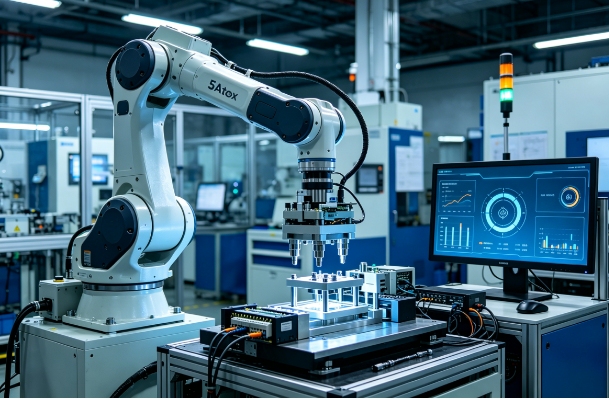
In modern industrial automation, the 5 axis robot arm is widely used for precision manufacturing, assembly, and machining tasks that require high accuracy and continuous operation. To ensure stable performance over many years, proper maintenance is essential. Although these robotic systems are designed for durability and long service life, neglecting routine care can lead to reduced precision, unexpected downtime, and higher operational costs. Understanding the required maintenance procedures helps manufacturers maximize efficiency and extend equipment lifespan.
Routine Mechanical Maintenance for Stable Operation
Regular mechanical upkeep is the foundation of long-term performance for a 5 axis robot arm, ensuring smooth movement and reducing wear on key components.
- Lubrication of joints, gears, and moving parts is necessary to minimize friction and prevent premature wear.
- Tightening and inspection of bolts and structural connections help maintain mechanical stability during continuous operation.
- Cleaning of external surfaces and internal compartments prevents dust accumulation that could affect movement accuracy.
- Periodic checking of belts, bearings, and drive systems ensures early detection of mechanical fatigue.
Consistent mechanical maintenance helps maintain smooth operation and reduces the risk of unexpected breakdowns.
Electrical System Inspection and Component Care
The electrical system plays a critical role in controlling the precision and responsiveness of a 5 axis robot arm, making regular inspection essential.
- Power supply systems should be checked to ensure stable voltage and prevent fluctuations that may damage sensitive components.
- Wiring and connectors must be inspected regularly to avoid loose connections or insulation damage.
- Servo motors require monitoring to ensure consistent torque output and temperature control during operation.
- Control cabinets should be kept clean and dry to prevent short circuits or electronic malfunctions.
Proper electrical maintenance ensures stable performance and protects the robot from operational failures.
Software Updates and System Calibration
Software and calibration are equally important in maintaining the accuracy of a 5 axis robot arm, especially in precision manufacturing environments.
- Regular software updates improve system stability, add new features, and fix potential bugs.
- Motion control parameters should be recalibrated periodically to maintain positioning accuracy.
- Sensor alignment and calibration ensure real-time feedback systems function correctly.
- Backup of system programs helps prevent data loss and allows quick recovery in case of system errors.
Keeping software and calibration up to date ensures long-term precision and consistent output quality.
Sensor and Control System Maintenance
Sensors and intelligent control systems are essential for the adaptive capabilities of a 5 axis robot arm, requiring careful maintenance to ensure reliability.
- Vision systems must be cleaned regularly to maintain accurate object recognition and positioning.
- Force and torque sensors should be tested to ensure correct pressure control during operations.
- Temperature and vibration sensors help monitor machine health and should be checked for accuracy.
- Fault detection systems need periodic testing to ensure early warning functions operate correctly.
Well-maintained sensors contribute to safer, more stable, and more efficient robotic operation.
Environmental Protection and Operational Best Practices
The working environment has a significant impact on the long-term durability of a 5 axis robot arm, making environmental management an important part of maintenance.
- Dust-proof and waterproof measures help protect internal components from contamination.
- Stable temperature and humidity conditions prevent overheating and material degradation.
- Vibration isolation reduces mechanical stress during high-speed operations.
- Proper shutdown procedures help avoid unnecessary strain on the system after production cycles.
Maintaining a controlled environment significantly extends equipment lifespan and reduces maintenance frequency.
Conclusion
Maintaining a 5 axis robot arm for long-term operation requires a combination of mechanical care, electrical inspection, software updates, sensor calibration, and environmental control. Each of these aspects plays an important role in ensuring stable performance, high precision, and reduced downtime. With proper maintenance practices, manufacturers can significantly extend the lifespan of the equipment while maintaining consistent production quality. As industrial automation continues to evolve, well-maintained robotic systems will remain essential for achieving efficient and reliable manufacturing operations.
0