

Table of Contents
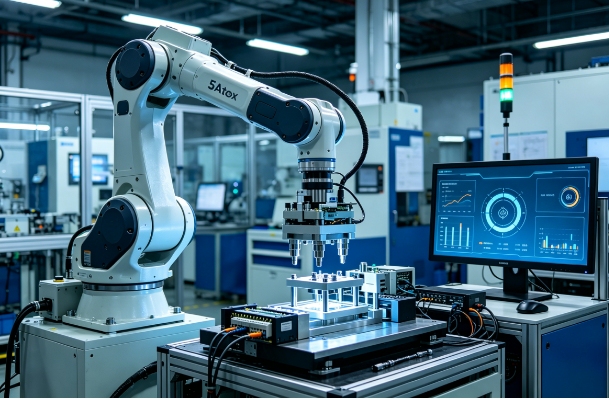
Injection molding robots are automated machines designed to perform specific tasks within the injection molding process. These robots are primarily used for part removal, material handling, assembly, and packaging. Injection molding itself involves injecting molten plastic into a mold to create a wide range of products, from automotive parts to household items. Robots in this process play a critical role by improving the speed, precision, and consistency of production.
How Injection Molding Robots Work
The operation of injection molding robots begins once the plastic material is injected into the mold. After the molding process is completed, the robot’s function kicks in to remove the part from the mold. Here’s a step-by-step breakdown of how these robots operate:
- Part Ejection: After the molten plastic solidifies inside the mold, the injection molding robot removes the part. Robots are equipped with grippers or suction devices to carefully extract the product without damaging it.
- Material Handling: Some robots are designed to handle the material during the molding process, feeding plastic pellets into the machine, ensuring a steady and consistent flow of material into the mold.
- Sorting and Inspection: Post-molding, robots can inspect parts for defects, sort them by type, and place them into bins or onto conveyors for further processing or packaging.
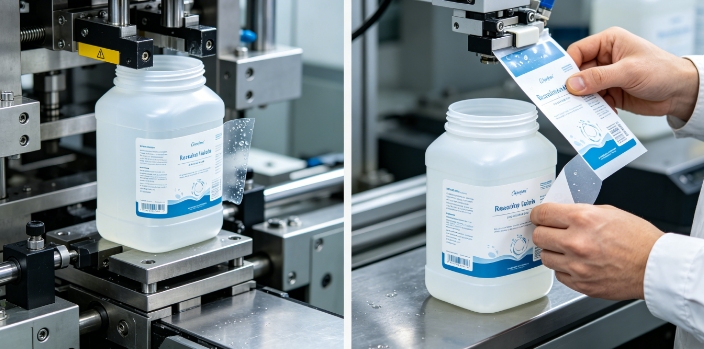
- Packaging: In some setups, robots are programmed to package the molded parts, reducing human labor in the final steps of production. This can include placing parts in boxes, labeling, and preparing for shipment.
These robots are typically equipped with precise control systems, allowing them to handle tasks with a level of accuracy and speed that would be difficult for humans to match.
Advantages of Using Injection Molding Robots
The integration of injection molding robots into manufacturing has numerous advantages. These include:
1. Increased Efficiency
One of the primary benefits of using robots in the injection molding process is the increase in overall efficiency. Robots can perform tasks at a much faster pace than human workers, such as part ejection and material handling.
This results in a reduction in cycle times and an overall increase in production rates. By reducing manual labor, robots can also work around the clock without the need for breaks, allowing for 24/7 production.
2. Improved Precision and Consistency
Robots are highly precise and can perform repetitive tasks with a level of consistency that humans cannot match. This is crucial in industries where product quality and dimensional accuracy are important.
For instance, even small deviations in part size can lead to defects in products, especially in sectors like automotive or medical device manufacturing. Injection molding robots ensure that each part is handled with the same precision, reducing defects and waste.
3. Cost Savings
Although the initial investment in injection molding robots can be high, the long-term savings are significant. Robots reduce the need for manual labor, lower the chance of human error, and minimize material waste.
Over time, the increased efficiency, reduced labor costs, and lower defect rates lead to considerable cost savings for manufacturers. Additionally, robots help manufacturers avoid production delays, ensuring faster turnaround times.
4. Enhanced Safety
In manufacturing environments, especially those that deal with high temperatures and heavy machinery, safety is a major concern. Injection molding robots enhance safety by reducing human interaction with potentially dangerous equipment.
Robots can take over the hazardous tasks such as handling hot molds or injecting molten plastic, reducing the risk of injuries in the workplace.
5. Flexible and Customizable
Modern injection molding robots are highly flexible and customizable, allowing them to handle various tasks beyond simple part removal. Some robots can perform secondary operations such as inserting components into the molded parts, assembly, or even quality inspection.
Their ability to adapt to different tasks makes them valuable in diverse manufacturing settings.
Industries Benefiting from Injection Molding Robots
1. Automotive Industry
In the automotive sector, injection molding robots are used extensively to manufacture a variety of components, from small plastic parts to larger, more complex components like dashboards and door panels.
Robots help automate the production of these parts, ensuring high precision and consistent quality. With the growing demand for electric vehicles, robots play a critical role in efficiently producing lightweight plastic parts for these new models.
2. Consumer Electronics
The consumer electronics industry relies heavily on injection molding robots for the production of components such as phone cases, buttons, and other plastic parts.
Robots help ensure that these components meet strict quality standards and are produced at high volumes to meet market demand. Speed and accuracy are essential in this industry, making robotics indispensable.
3. Packaging
In the packaging industry, injection molding robots help automate the production of packaging materials such as bottles, containers, and caps. Robots are also used in post-molding tasks like sorting, labeling, and packaging, streamlining the entire production process.
Conclusion
The use of injection molding robots is revolutionizing modern manufacturing by enhancing efficiency, precision, and safety while reducing labor costs and material waste.
From the automotive industry to medical device production, robots are transforming how products are made, ensuring faster, more reliable production.
0