

Table of Contents
Bottling line equipment plays a critical role in modern beverage production. It enables manufacturers to efficiently fill, cap, label, and package a wide variety of drinks, from soft drinks and water to juices and alcoholic beverages. The effectiveness of this equipment directly impacts the speed, quality, and consistency of the production process. In this article, we will discuss why bottling line equipment is indispensable for the beverage industry, focusing on how it enhances productivity, quality control, and flexibility in production.
1. Boosting Efficiency in Beverage Production with Bottling Line Equipment
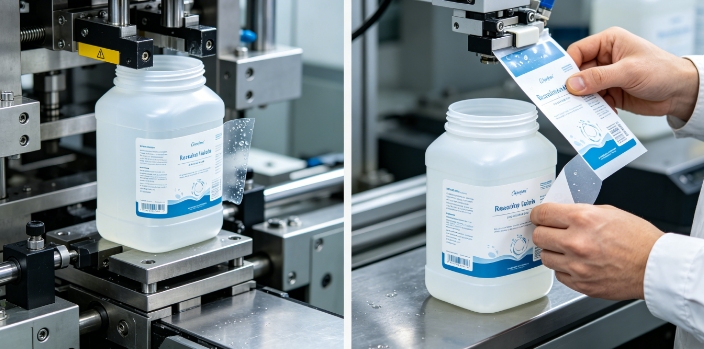
In the fast-paced beverage industry, efficiency is key to meeting market demands. Bottling line equipment streamlines the production process by automating multiple tasks, including filling, capping, and labeling. This reduces reliance on manual labor, leading to faster production cycles and lower labor costs.
- Automation for Faster Production
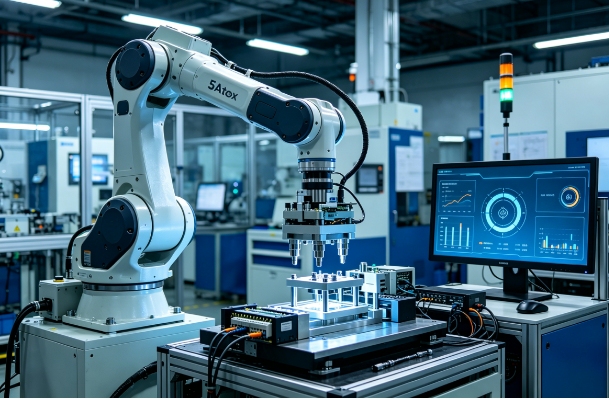
Modern bottling line equipment integrates automation, which increases production speed and reduces human error. Automated filling systems, for example, ensure that each bottle is filled accurately and consistently. High-speed capping and labeling machines also operate seamlessly, enabling manufacturers to keep up with large-scale production demands without compromising quality or efficiency.

2. Ensuring Product Consistency and Quality Control
Another essential role of bottling line equipment is maintaining consistent product quality. In beverage production, it is crucial that every bottle is filled to the correct level, sealed tightly, and labeled accurately. Any variation in the production process can affect the final product’s appearance, safety, and overall quality.
- Built-in Quality Control Systems
Bottling line equipment is equipped with advanced quality control features, such as sensors and vision systems, that monitor every stage of production. These systems check for inconsistencies such as improper fill levels, misaligned caps, or incorrect labels. Real-time data helps operators make immediate adjustments, reducing defects and ensuring that only high-quality products are delivered to the market.
3. Flexibility to Meet Diverse Beverage Production Needs
Beverage manufacturers often produce a wide variety of products, from still beverages to carbonated drinks, which require different bottling techniques and equipment. Bottling line equipment offers the flexibility to adapt to various bottle sizes, shapes, and product types, making it an invaluable asset for diverse production requirements.
- Versatility in Handling Different Products
For example, some bottling lines are designed to handle carbonated beverages, requiring specialized filling systems to prevent foaming. Others can manage thicker liquids like juices or dairy products. The ability to quickly switch between different products or packaging types without significant downtime is essential for maintaining flexibility and reducing production costs in the beverage industry.
4. Reducing Operational Costs and Downtime
Reducing downtime and operational costs is a top priority for beverage manufacturers. Bottling line equipment that is durable and reliable can operate at peak performance for long periods, minimizing the risk of breakdowns and costly repairs.
- Preventive Maintenance and Smart Monitoring
Many modern bottling lines come with smart monitoring systems that track performance and alert operators to potential issues before they lead to breakdowns. Predictive maintenance technology helps identify wear and tear in components like pumps or motors, allowing for timely repairs that prevent extended downtime. This proactive approach to maintenance helps keep production lines running smoothly and cost-effectively.
Conclusion
In conclusion, bottling line equipment is essential for modern beverage production due to its role in enhancing efficiency, maintaining quality, providing flexibility, reducing costs, and enabling manufacturers to meet evolving market demands. As the beverage industry continues to grow and diversify, investing in state-of-the-art bottling line equipment will help companies stay competitive, deliver consistent quality, and respond swiftly to consumer preferences.
0