
Table of Contents
When it comes to selecting a filling machine manufacturer, it’s crucial to understand that not all manufacturers are the same. From technological capabilities to customer service, different manufacturers offer varying levels of quality, innovation, and reliability.
Technology and Innovation
The level of technology and innovation that a filling machine manufacturer employs can vary significantly, which directly impacts the capabilities of the machines they offer.
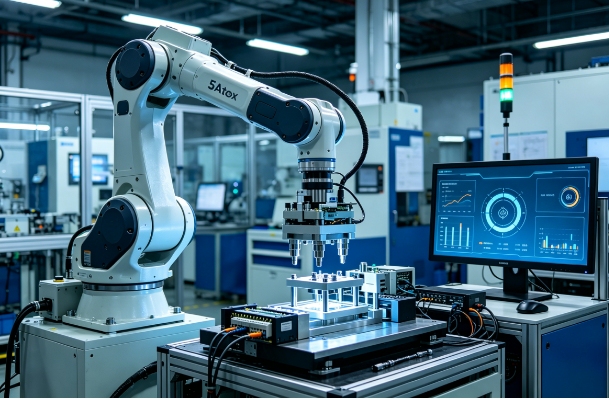
- Advanced Automation: Some manufacturers focus on automating the filling process as much as possible, offering machines with high-speed filling, minimal human intervention, and enhanced precision. Automation reduces the risk of errors, increases output, and improves consistency, making it ideal for large-scale operations.
- Cutting-Edge Features: Leading manufacturers often incorporate the latest features into their equipment, such as integrated quality control systems, real-time monitoring, and predictive maintenance alerts. These features can enhance the machine’s performance and make it easier for operators to manage the production line effectively.
- Customization Capabilities: Different manufacturers may offer varying degrees of customization when it comes to machine design and features. While some manufacturers focus on delivering standard models, others offer extensive customization options, such as tailored filling heads, unique container sizes, or specific configurations suited to niche industries.
The level of technological innovation offered by a filling machine manufacturer is one of the most noticeable differences between suppliers. Manufacturers that invest in cutting-edge technology and offer highly customizable machines will often be more expensive but may provide better long-term value for companies looking for advanced and reliable systems.
Quality Control and Compliance Standards
Manufacturers vary in terms of the quality control measures they use to ensure that their filling machines meet industry standards. The quality of the machines directly affects production efficiency, product quality, and compliance with regulatory requirements.
- Industry Certifications: Some filling machine manufacturers comply with strict industry certifications, such as ISO, CE, or GMP (Good Manufacturing Practice) certifications, ensuring their equipment meets safety and performance standards.
- These certifications are particularly important for businesses in industries like pharmaceuticals, food, and beverages, where high standards of hygiene and safety are required.
- Testing and Inspection: High-quality manufacturers often perform rigorous testing and inspections on their machines before they are shipped to customers. This ensures that businesses receive equipment that is ready for use and complies with the highest standards.
Reliable manufacturers provide well-tested, certified machines that meet the necessary regulations and standards for safety and quality.
Price and Value for Money
Price is often a key factor when selecting a filling machine manufacturer, but it’s important to consider value for money, not just the initial cost.
- Cost Efficiency: Some manufacturers offer cost-effective solutions, particularly for small businesses or startups that need filling machines but are working within a budget. These machines might lack some of the advanced features offered by premium manufacturers, but they provide reliable performance at a more affordable price.
- Long-Term Investment: On the other hand, some higher-end manufacturers provide more expensive machines with advanced features, enhanced precision, and better durability. These machines may have higher upfront costs but can save businesses money in the long run by reducing downtime, improving efficiency, and requiring fewer repairs.
- Maintenance Costs: It’s also important to factor in maintenance costs. Some manufacturers design machines that are easier and cheaper to maintain, which can help businesses save money in the long term.
Choosing a filling machine manufacturer that offers the right balance of upfront cost, long-term durability, and lower maintenance costs can provide significant savings over the life of the machine.
Conclusion
When choosing a manufacturer, it’s important to evaluate their technological capabilities, customization options, and support services to determine which one is the best fit for your business. By carefully considering these differences, you can select a filling machine manufacturer that meets your specific needs and helps ensure the smooth and efficient operation of your production line.
0